
IN WHICH GARY AND I TAKE TO THE HILLS IN SEARCH OF SNOW AND TELECOMS MASTS, AND I WONDER HOW HARD IT WOULD BE TO CATCH A DEER…
We have had yet more guests over with us in the house this week; this time it was Noel, Saoirse’s older brother. No issues, of course – he’s great company – but it tends to curtail certain activities, like running. On Monday, I had managed a very slow 6.5k around the park. Plans to run on Wednesday vanished very quickly when I had just about made it through the front door from work into the hallway, and S advised me that dinner was five minutes away, and the wine was opened…
So it was Friday before I would get out again, with Noel off to see his sister in Galway. I managed a rather more spritely 5k or thereabouts, again, around the park, which I cheerfully labelled as a tempo run in Garmin Connect. 5:09 pace just about qualifies, albeit on the slower end of tempo. Less ‘allegro’ and more ‘moderato’, I suspect, but as there was no conductor there to wave a baton at me, ‘tempo’ it stays.
I spent a bit of Saturday chopping up the last of the firewood, and then retired to the sitting room to watch the best game of the Six Nations to date: Scotland beating France was not on too many rugby pundits’ bingo cards, but here we are. A cracking game. And then Italy did the decent thing and beat England to boot, so it opens the door for Ireland, who had a somewhat turgid win over Wales on Friday. Though I gather it means we not only have to beat Scotland, who look fantastic at the minute, but we have to hope England do us a favour over France. On current form, Scotland should end up as champions. But form has gone out the window quicker than an out-of-favour Russian general.
Gary and I resumed our peak bagging challenge on Sunday morning. In fairness, it’s a very loose challenge, and one without any structure. But we may get around to all 27, given time. As you possibly know, there are 32 counties in Ireland, but several share a highest point, and so there are less to climb. Handy, if you are, like us, keen to reach them all, but lacking in time.
It was an early start. I picked up Gary about 7.30am and we rattled along the M50 before heading out towards Tallaght, and up past the Hellfire Club. It is a famous Dublin landmark and worthy of its own post. Our destination was further afield; Kippure, the highest point in Dublin County. Here is some blurb. However, just to confuse the issue, although it is generally considered to be the county top, the mountain sits on the border with Wicklow, and the ‘peak’ may even be within Wicklow county. But as Wicklow itself has Lugnaquilla at 925 metres (making it the highest peak in Leinster too, and part of the four peaks challenge) Kippure, at a rather more modest 757 metres, seems to have been ‘donated’ to the Dubs.
Anyway, let’s not quibble. It’s always listed as the Dublin peak if you’re trying to get them all done.
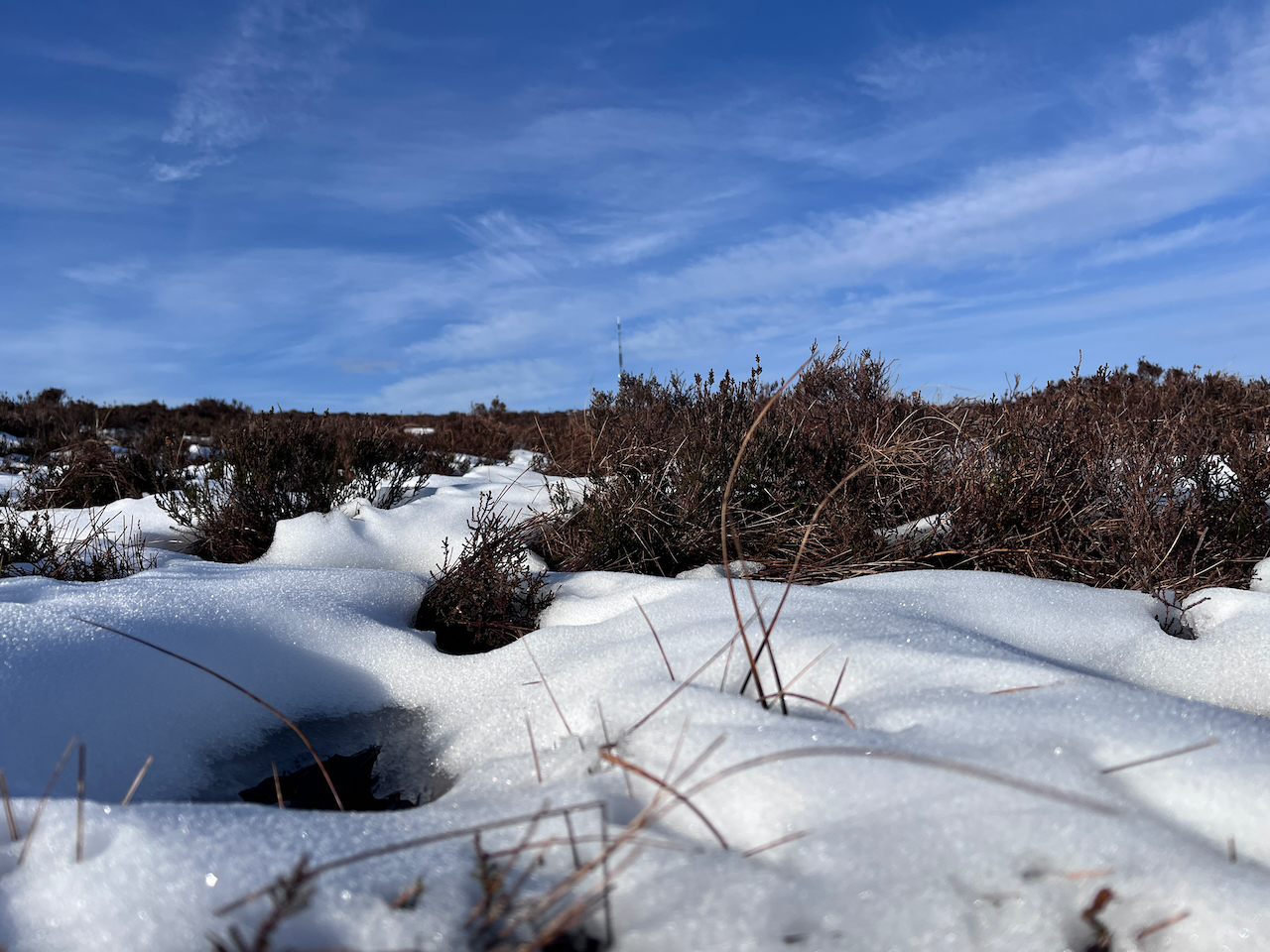
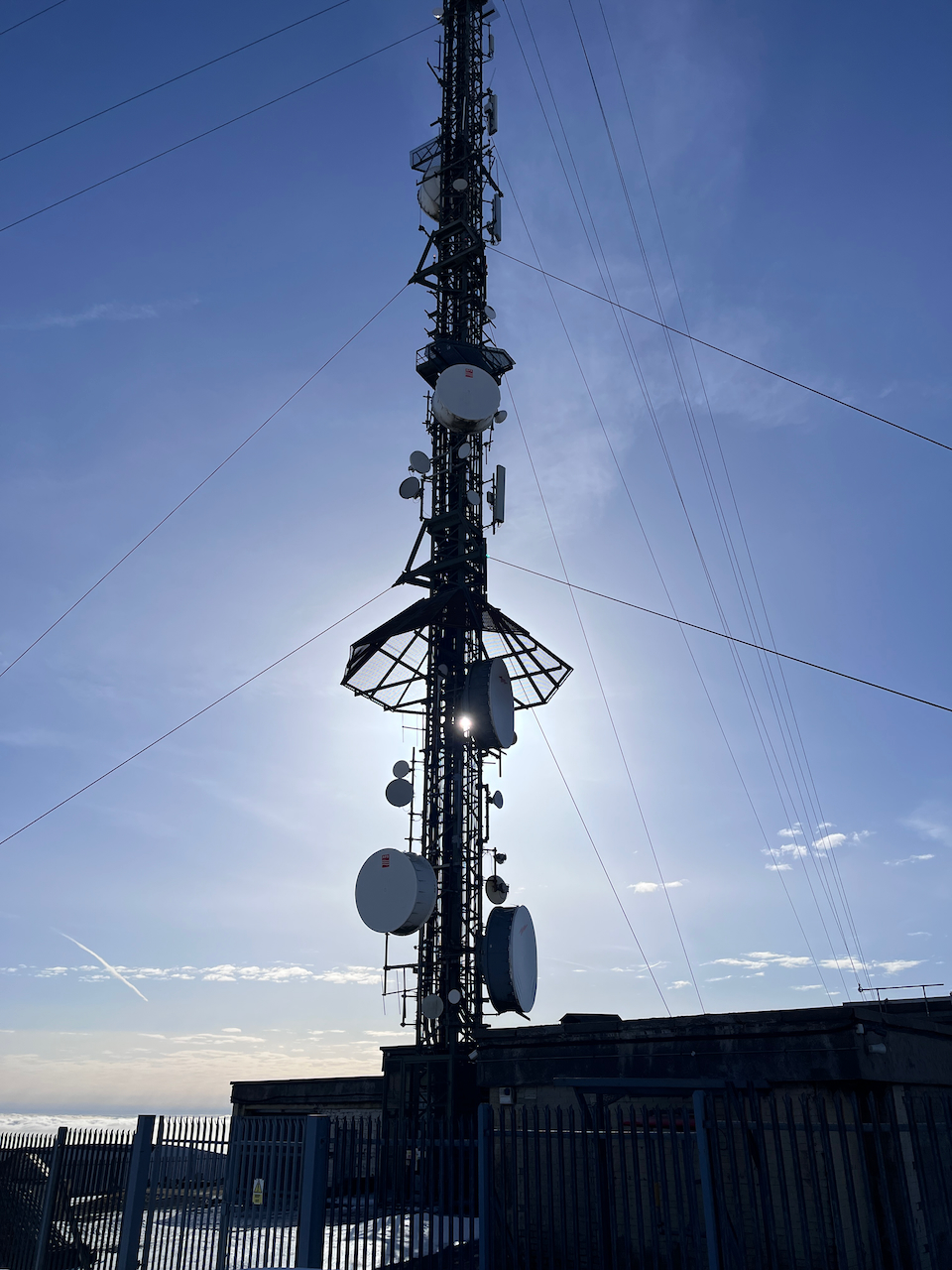
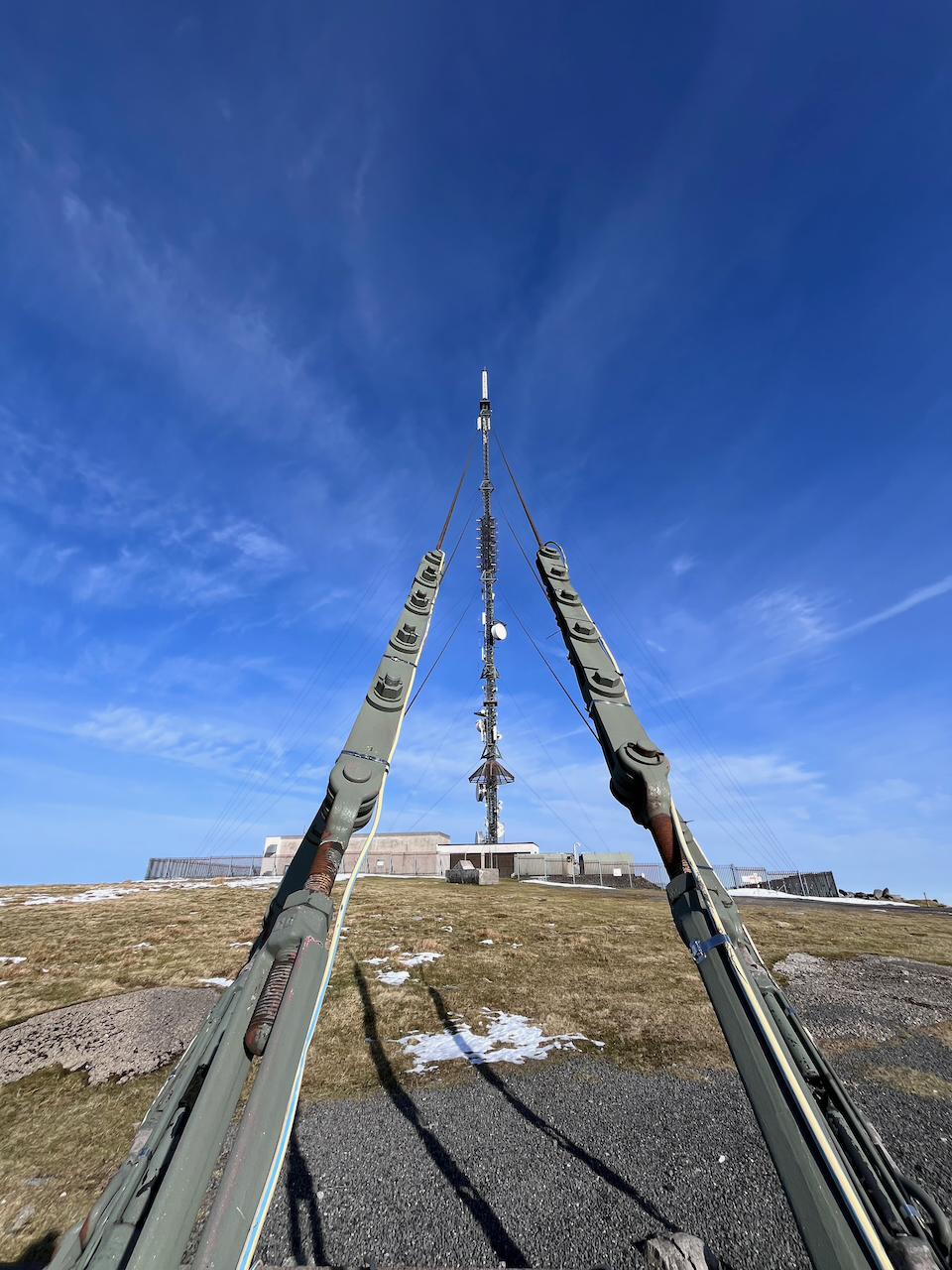
There are several routes up to Kippure, and the quickest and most boring is up the access road, for at the top of Kippure sits one of the biggest telecoms masts in the country. The second-highest, according to web searches. So it’s hard to miss. And the weather was incredibly kind. Very little wind, even for this notoriously exposed part of the mountains, and blue sky from horizon to horizon. We parked up along the road past Glencree, after the Military Road and the Featherbeds, which offers a longer but less strenuous route, but well before the official access road further south. There is a reasonably well-worn path opposite the lay-by, and we set off with the plan to follow the route which should take us between Upper and Lower Lough Bray.
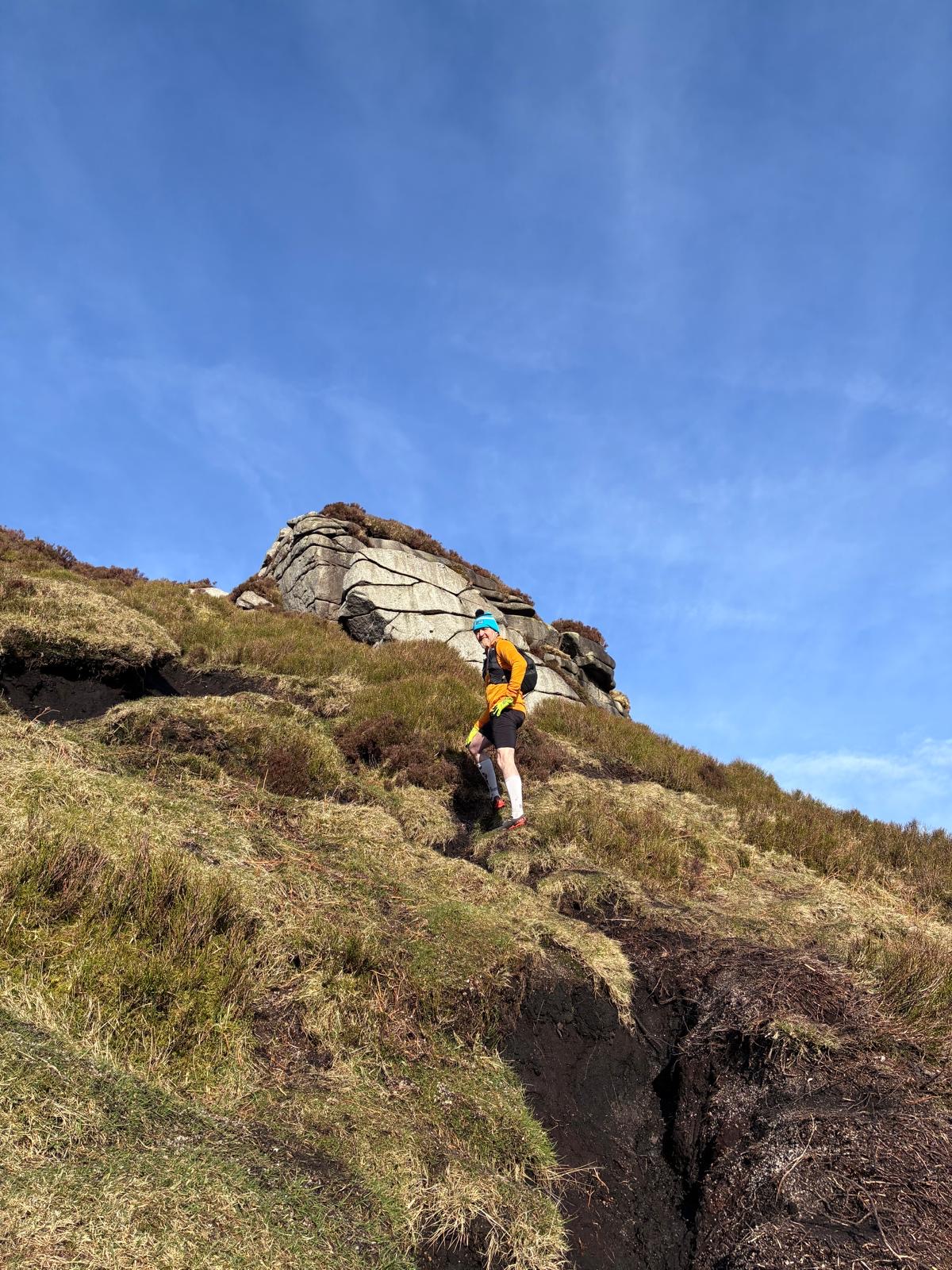
The first lake appeared shortly, a corrie lake nestled beneath the generous and broad flanks of Kippure, and then there was a gentle climb away before we hit the saddle between the upper and lower loughs. The lower lake is indeed quite a bit lower, and on the far bank sits a beautiful house with its own private beach and a rowing boat pulled up on the shore. We both agreed this would be a fine place to settle, if one was lucky enough to win the lottery.
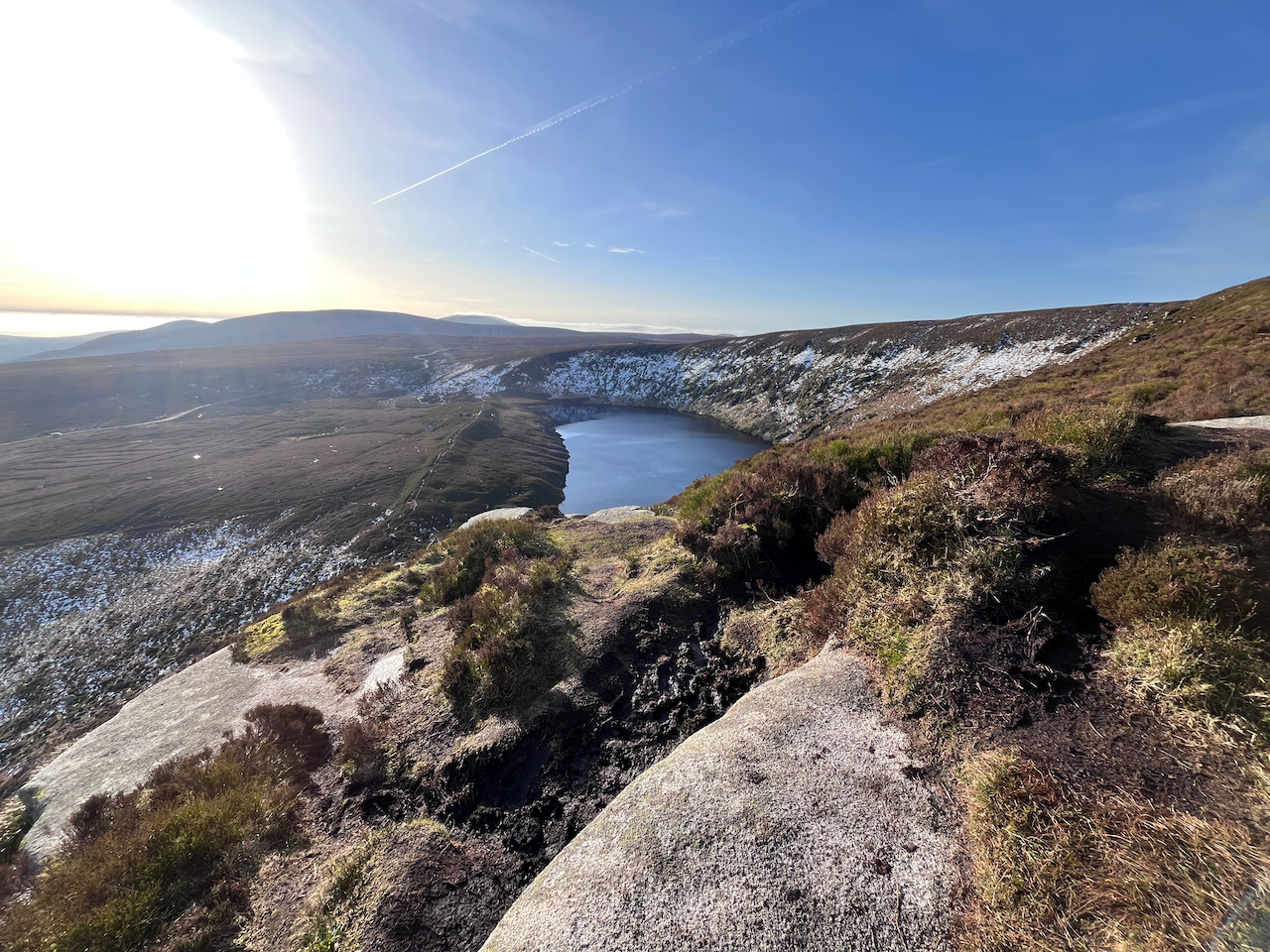
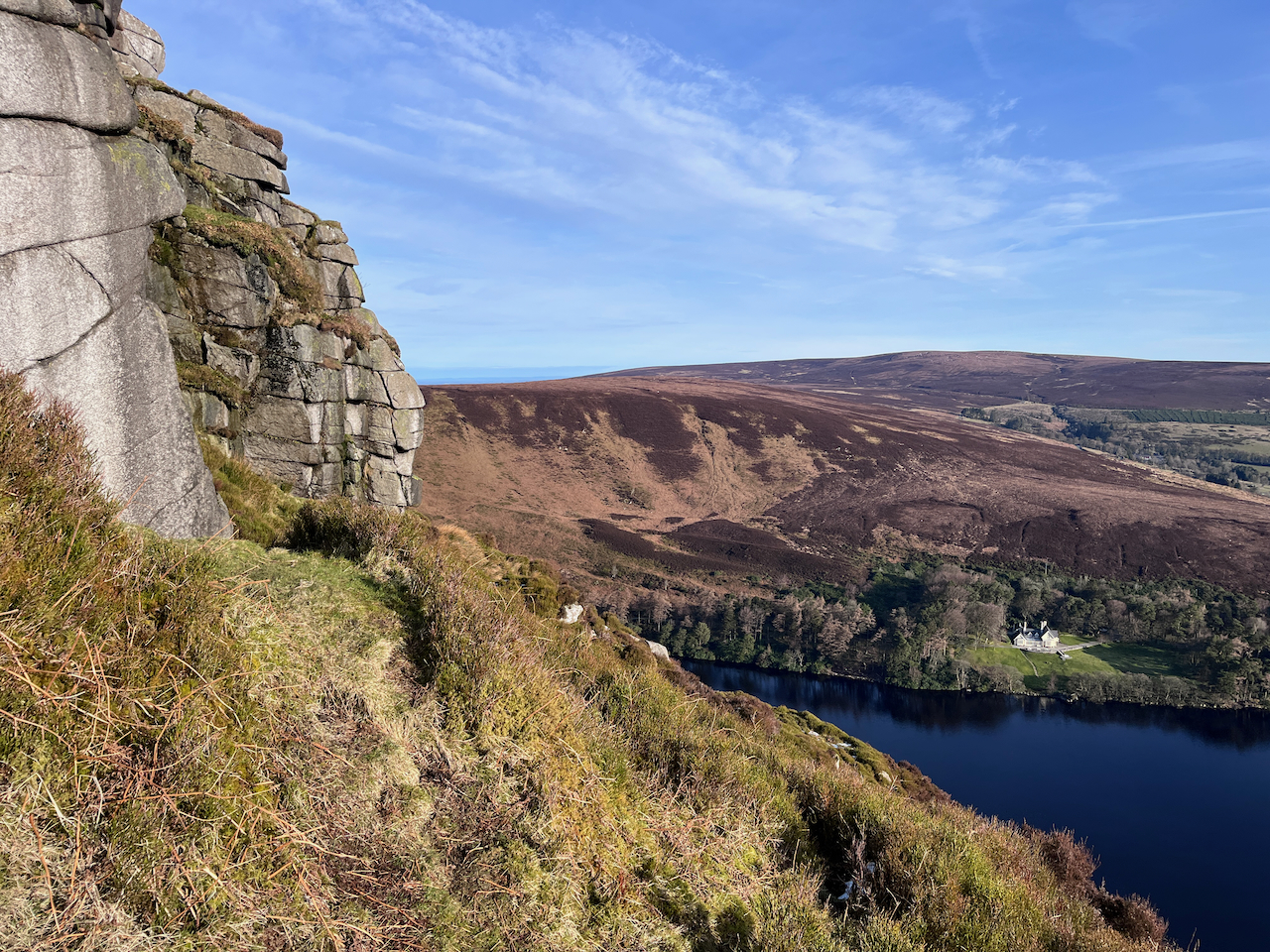
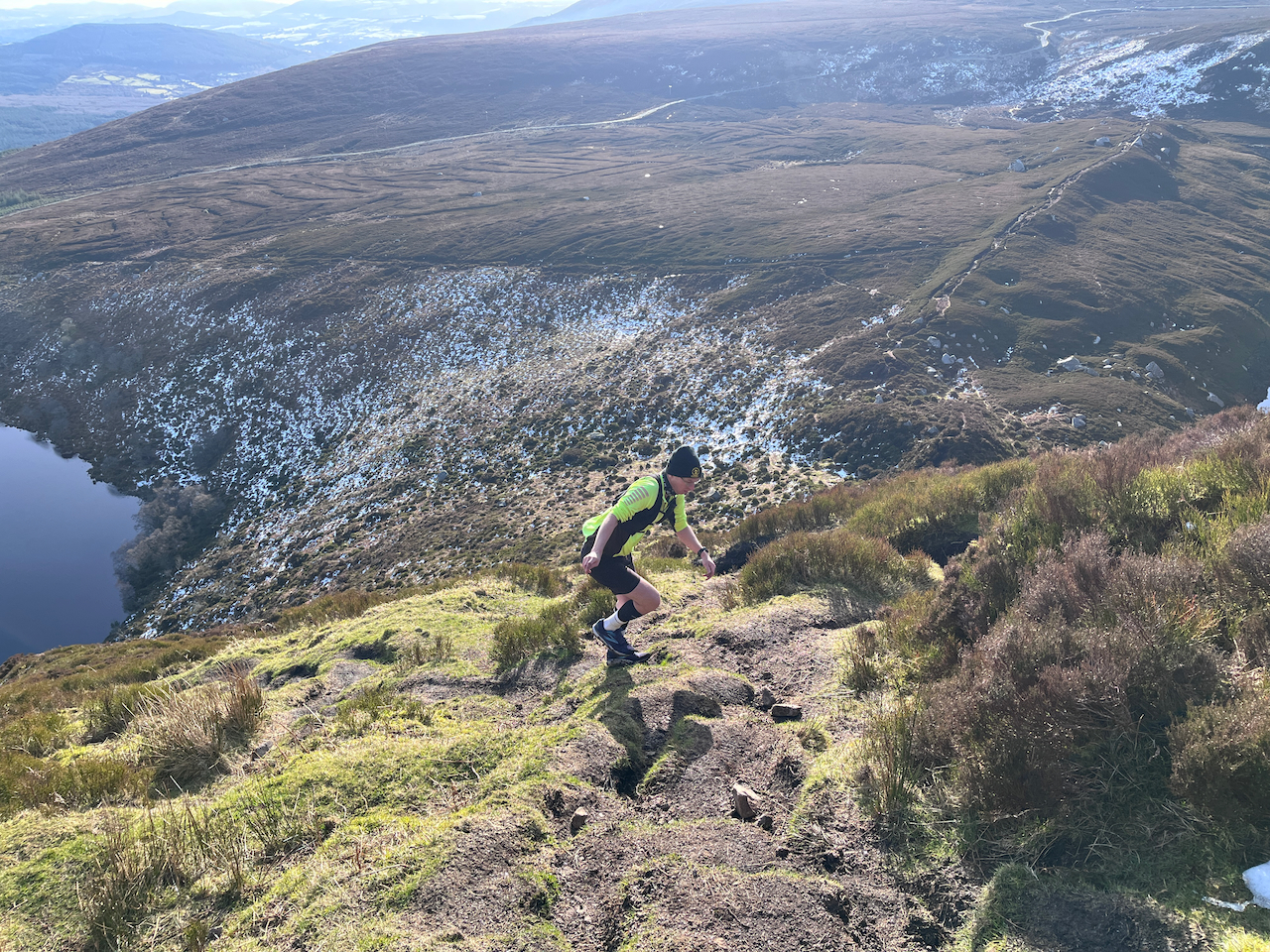
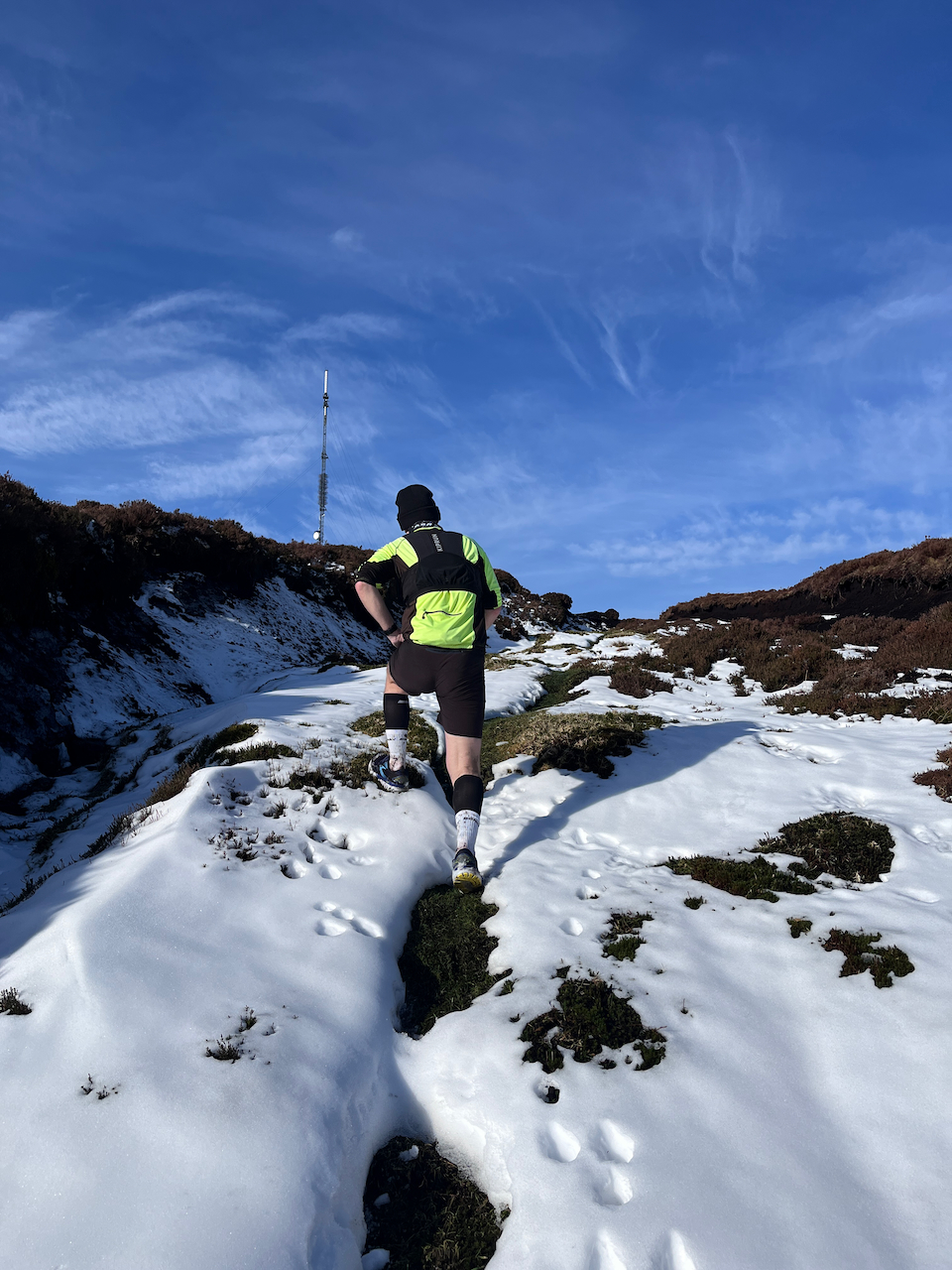
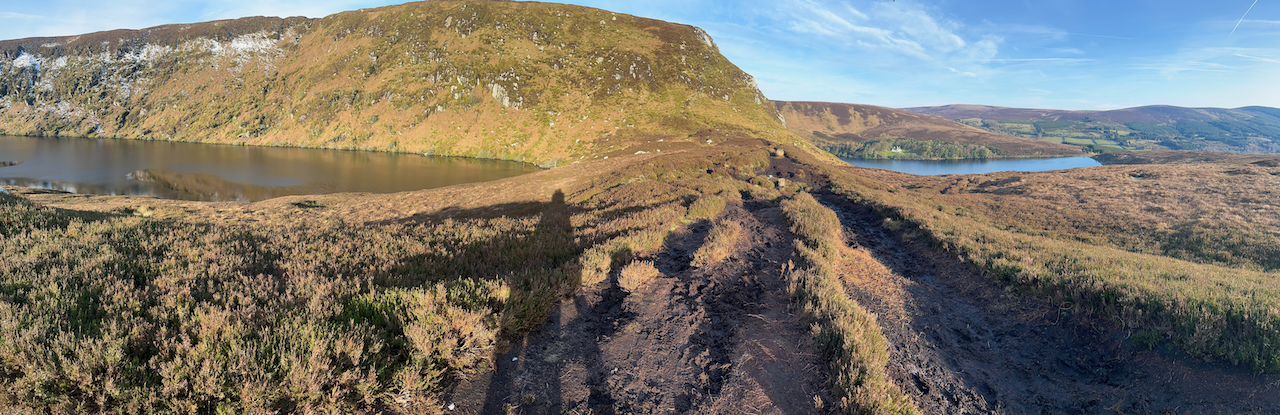
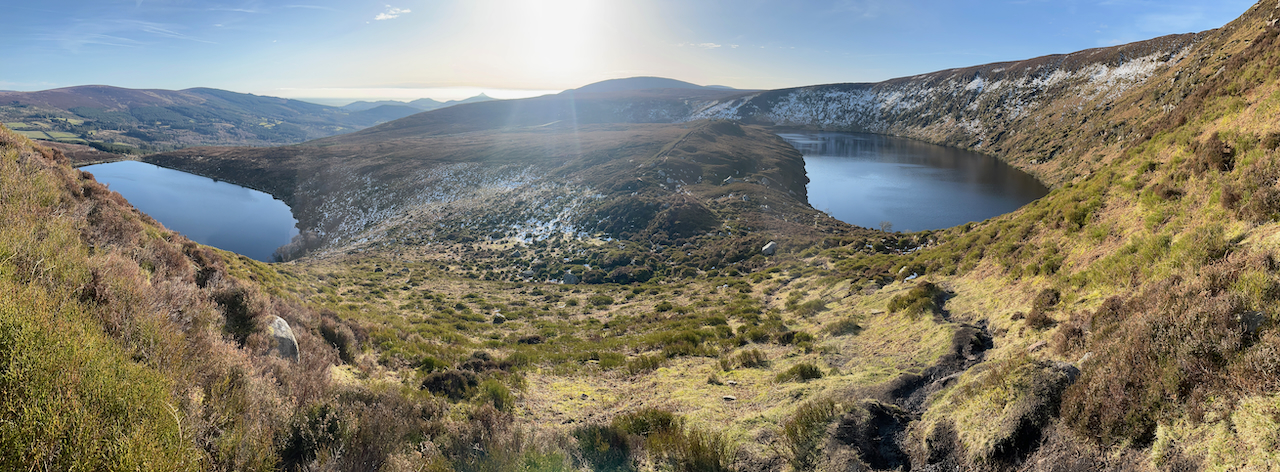
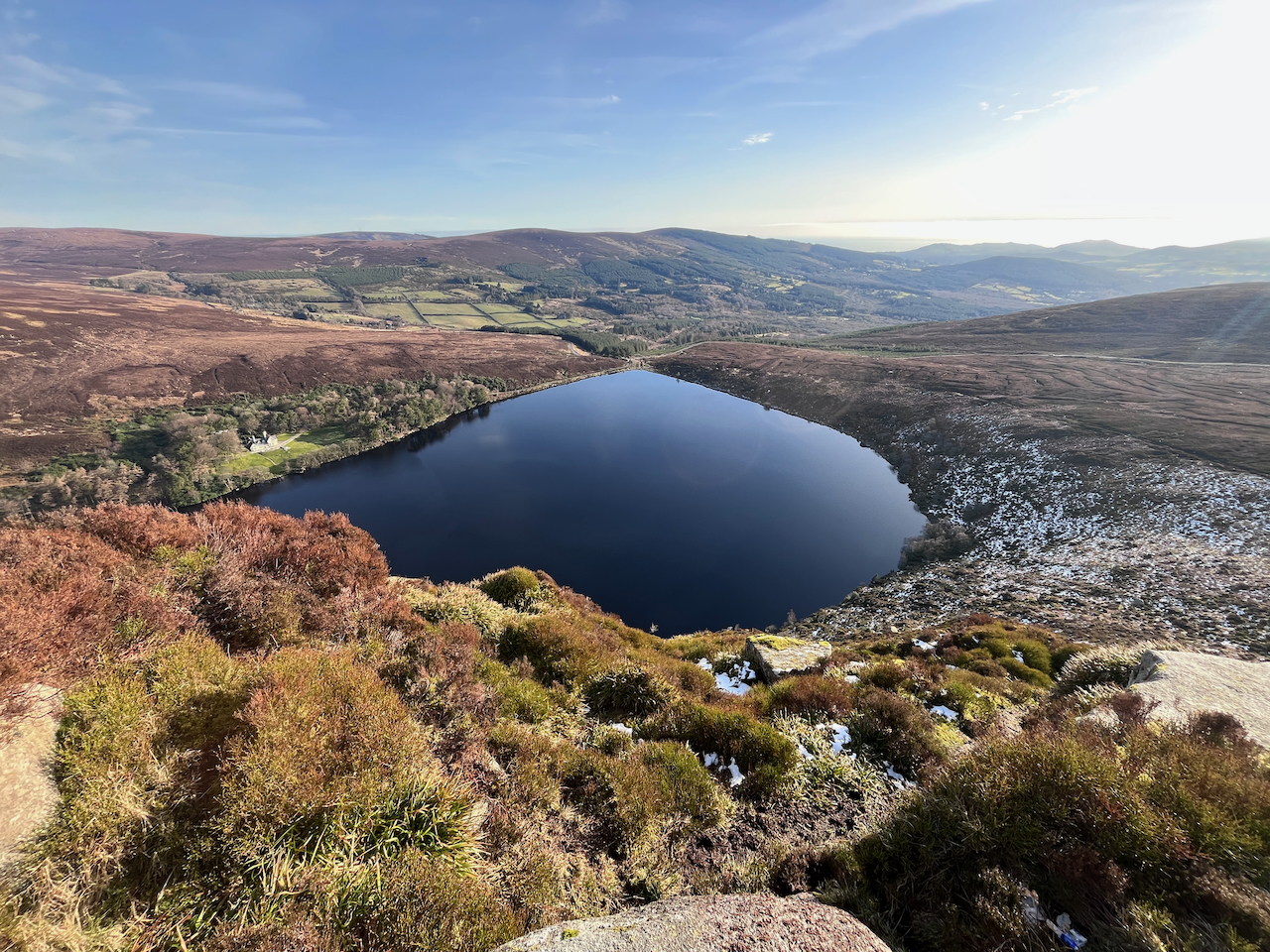
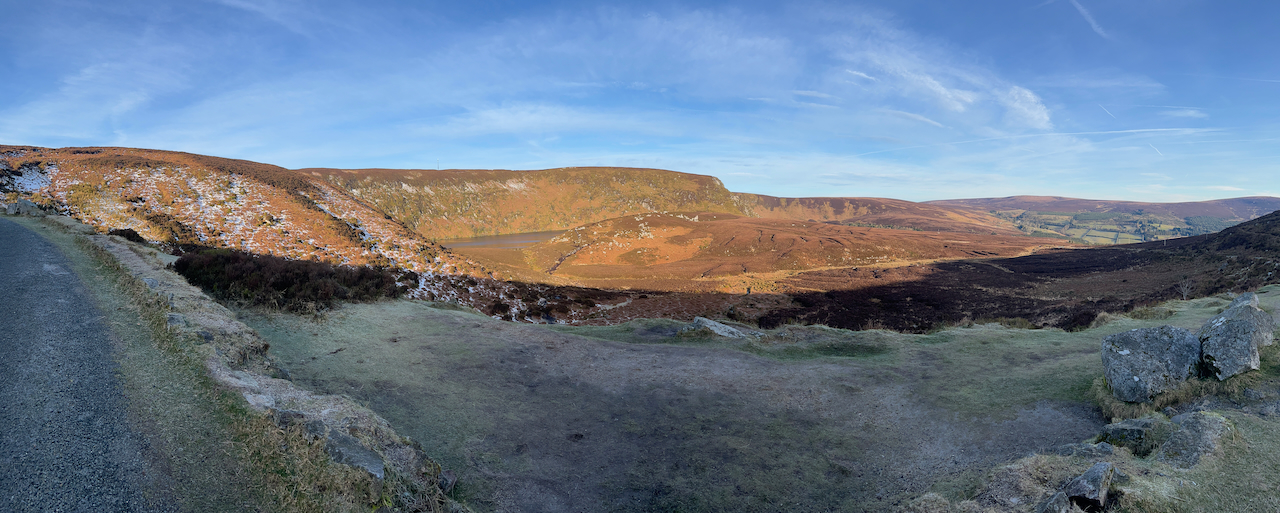
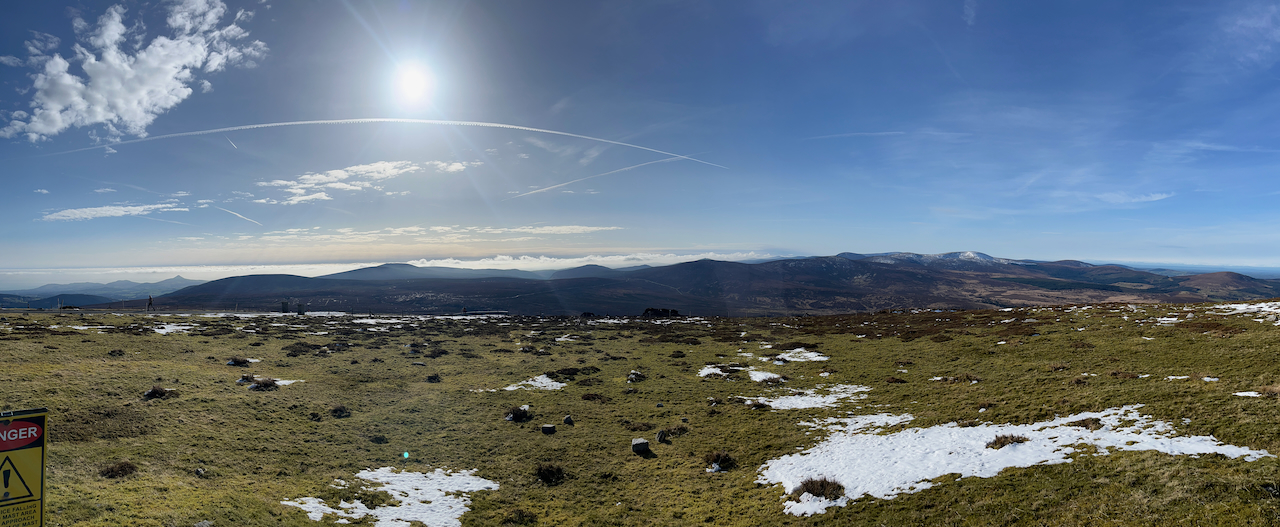
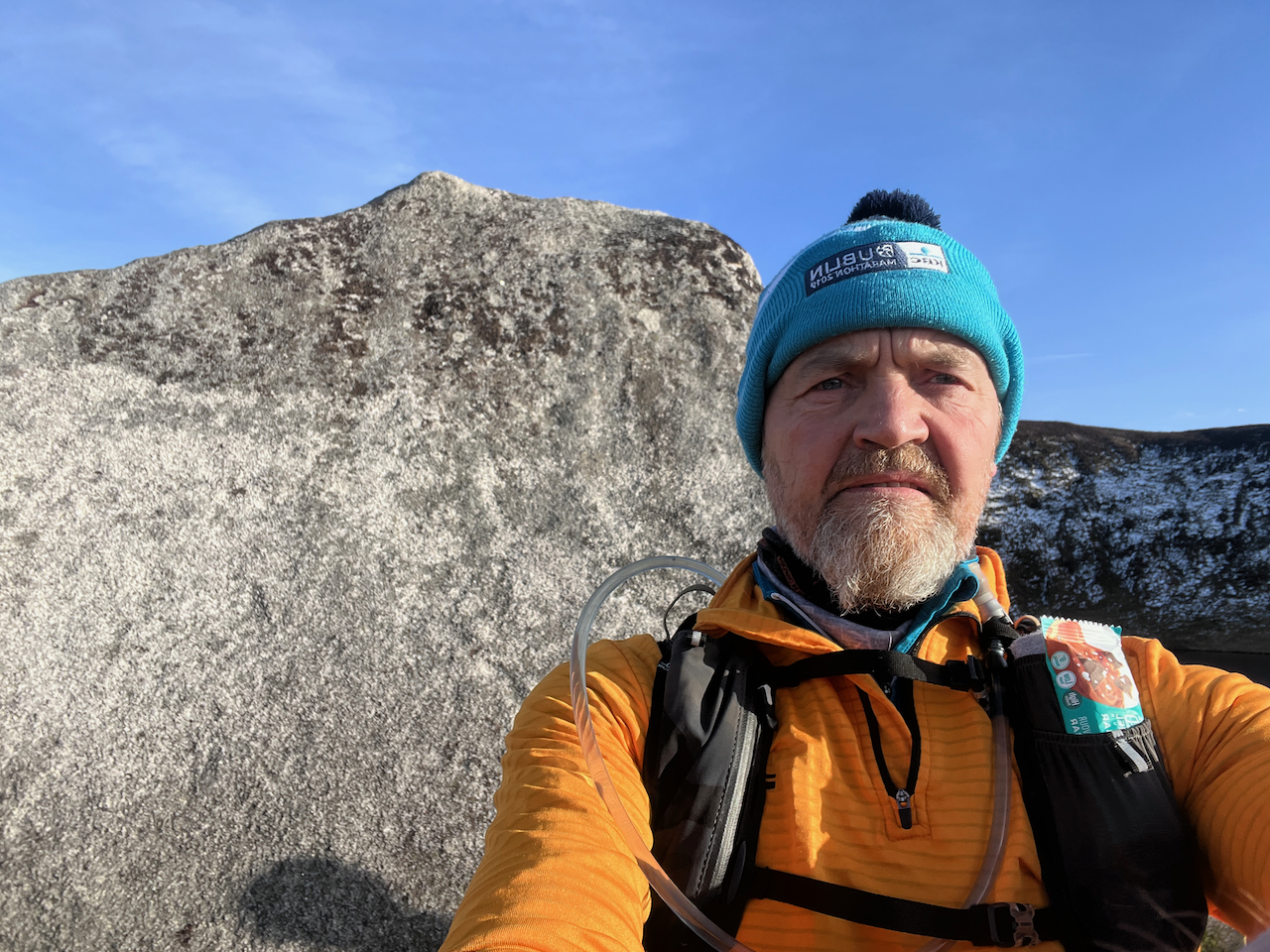
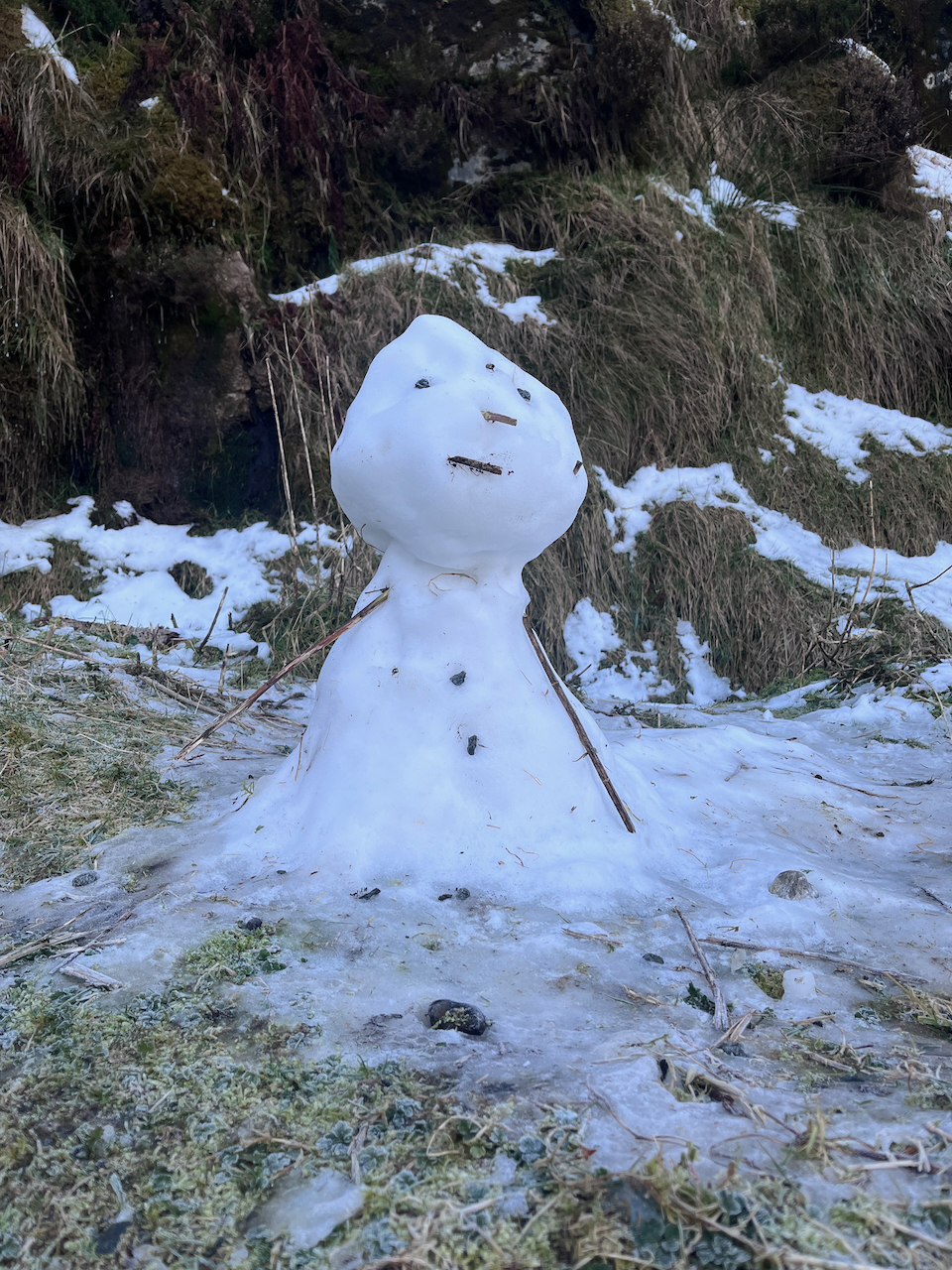
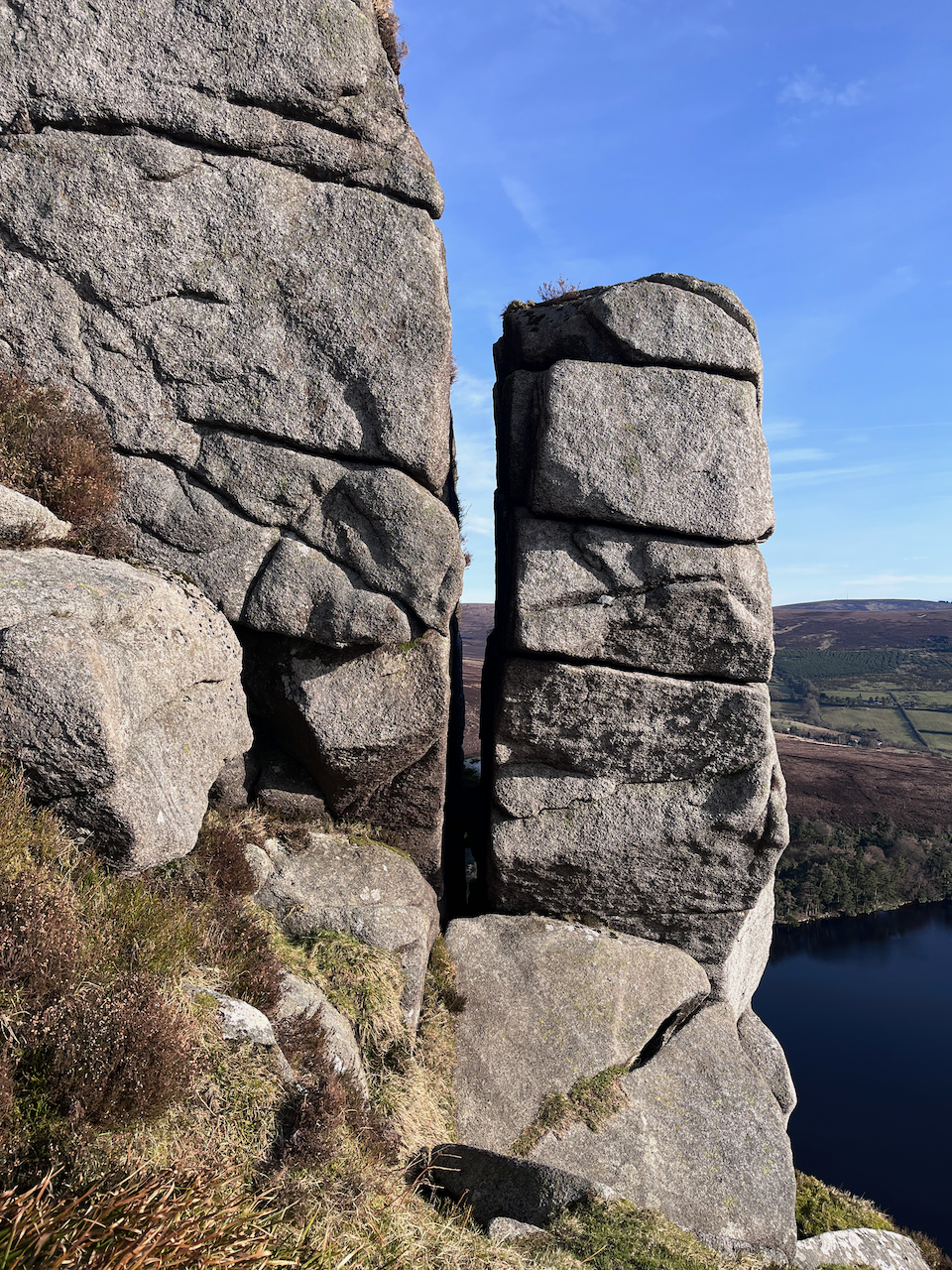
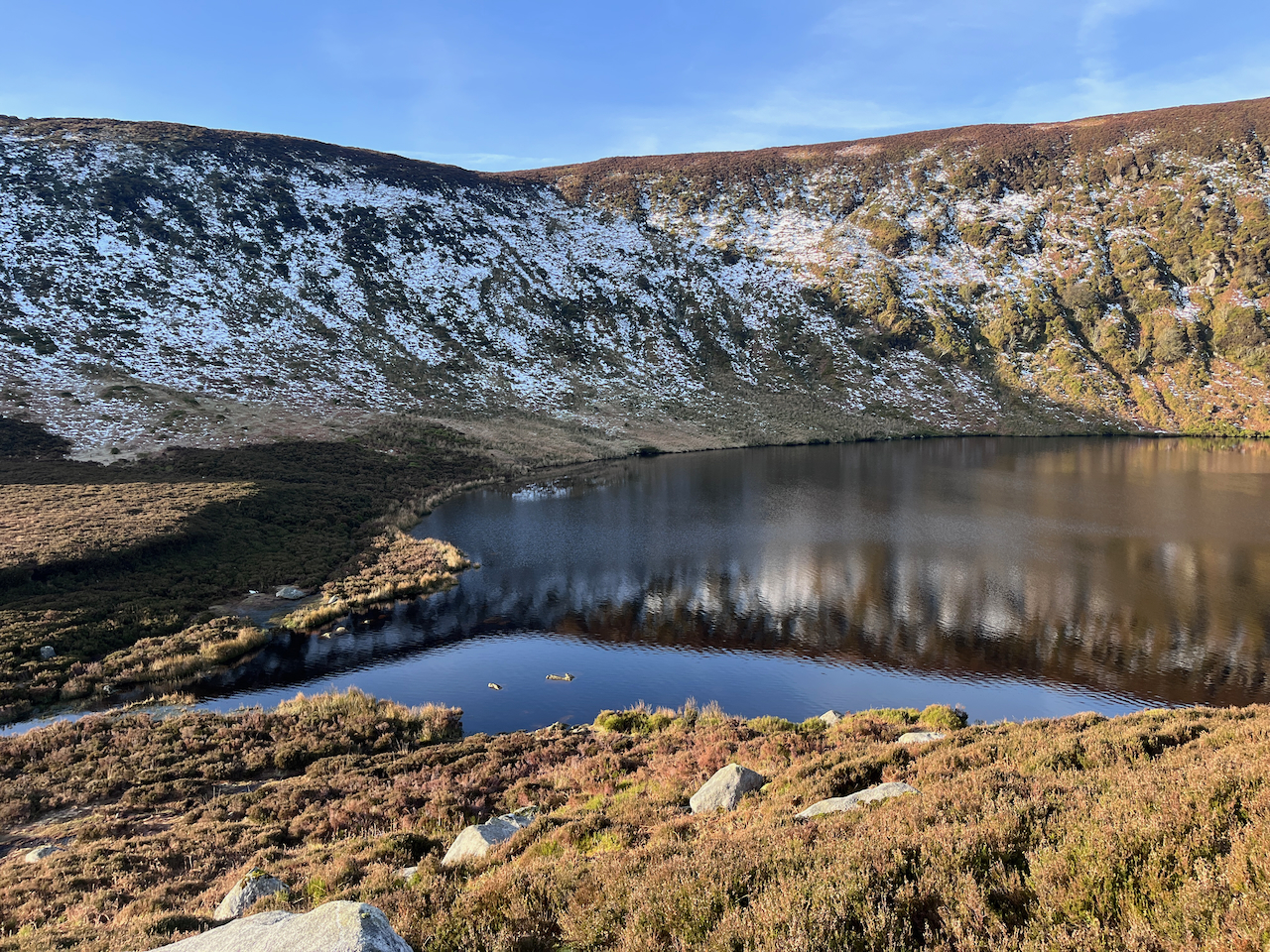
The next stop was the wonderfully-named Eagle’s Crag which required a stiff climb. The footing so far had been reasonable, but there were patches of snow underfoot, some of which hid pools of icy-cold water and slippery rocks, so we were not running at any stage as we progressed towards the summit. Once above the crag, the view was astounding, with the two lakes below, and the whole of the Dublin Mountains away to our east and west, and many of the famous Wicklow peaks on show to the south. I used the Peakfinder app on my phone to help me pick out a few, and beyond, away to the north, you could clearly see the Mourne Mountains in Co. Down.
The climb to the top from here was a steady slog, and although we were much higher than the rocky terrain below, above on the flanks, it was largely blanket bog punctuated with muddy crevices and pools of mossy water. Halfway up, we startled a small herd of deer that bounded away. They move with great speed, and I was reminded of the suggested birth of long-distance running. Here is a great article if you fancy a read from someone who actually articulates the theory better than I can. Plus it’s from a reputable source, rather than some dude on the interwebs with a blog. (I particularly like the part in it where it suggests the idea of running long distances to wear down prey over many hours has been pooh-poohed by some skeptics as I realise that these are probably academics who have never run more than ten feet to get to the buffet at a conference.).
Anyway, numerous anthropologists (and quite a few long-distance runners with a working brain) agree that there are dozens of tribes around the world that run considerable distances to hunt their prey and that this tradition has been carried on for generations, and makes use of our ability to keep moving at steady speeds without overheating, which is something animals can’t do. Huge initial speed to avoid predators, yes. But after several hours under a hot sun, hyperthermia overtakes their bodily systems and they are caught. I appreciate of course, that the Hemerodromoi of ancient Greece, who could run 100 miles in a day, were the direct ancestors of the modern-day marathon runner, but I prefer to think that it’s part of a long lineage of runners stretching back to the dawn of time. Hemerodromoi is a Greek word which means ‘day-runner’. (And hyberbole is also a Greek word, literally translating as ‘a throwing beyond’, from hyper- (‘beyond’) and ballein (‘to throw’). We see you, unironedman…).
The breeze began to find us as we reached the top. The whole summit is consumed with an enormous mast and associated work buildings, but the trig point still remains. We met a few fellow hikers out enjoying the day and stopped for a chat. But soon we both agreed we needed to get moving again as we were rapidly cooling down. We circumnavigated the mast and found the service road for our route back down, breaking into a run for the first time.
It’s not a particularly scenic road, but at least we warmed up soon enough, and both of us soon discarded our wooly hats. We were soon back on the road again, with a short schelp back to the car. Alas, we didn’t have time for a celebratory breakfast as I needed to get my Mum to church. Another time, hopefully.
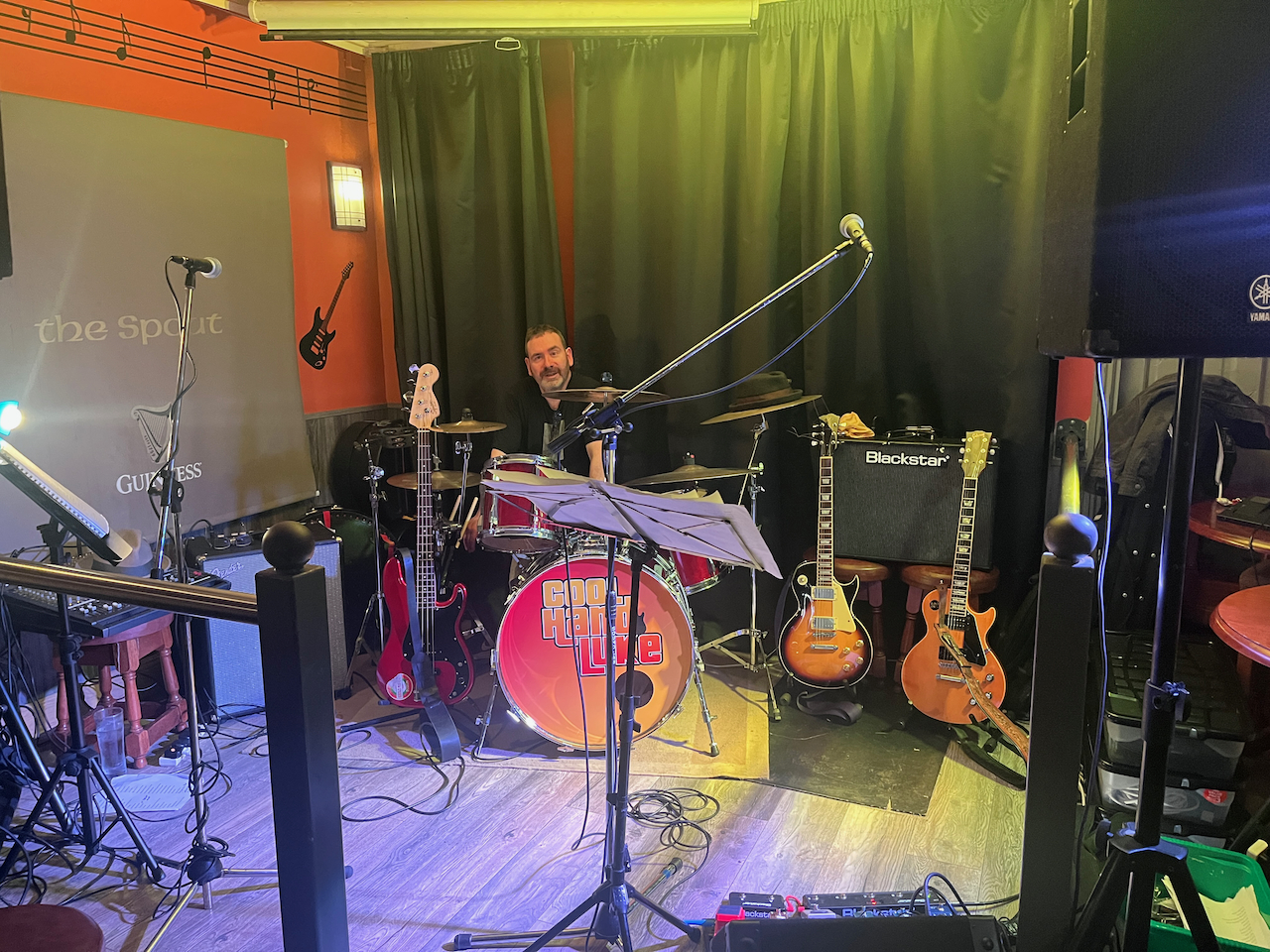
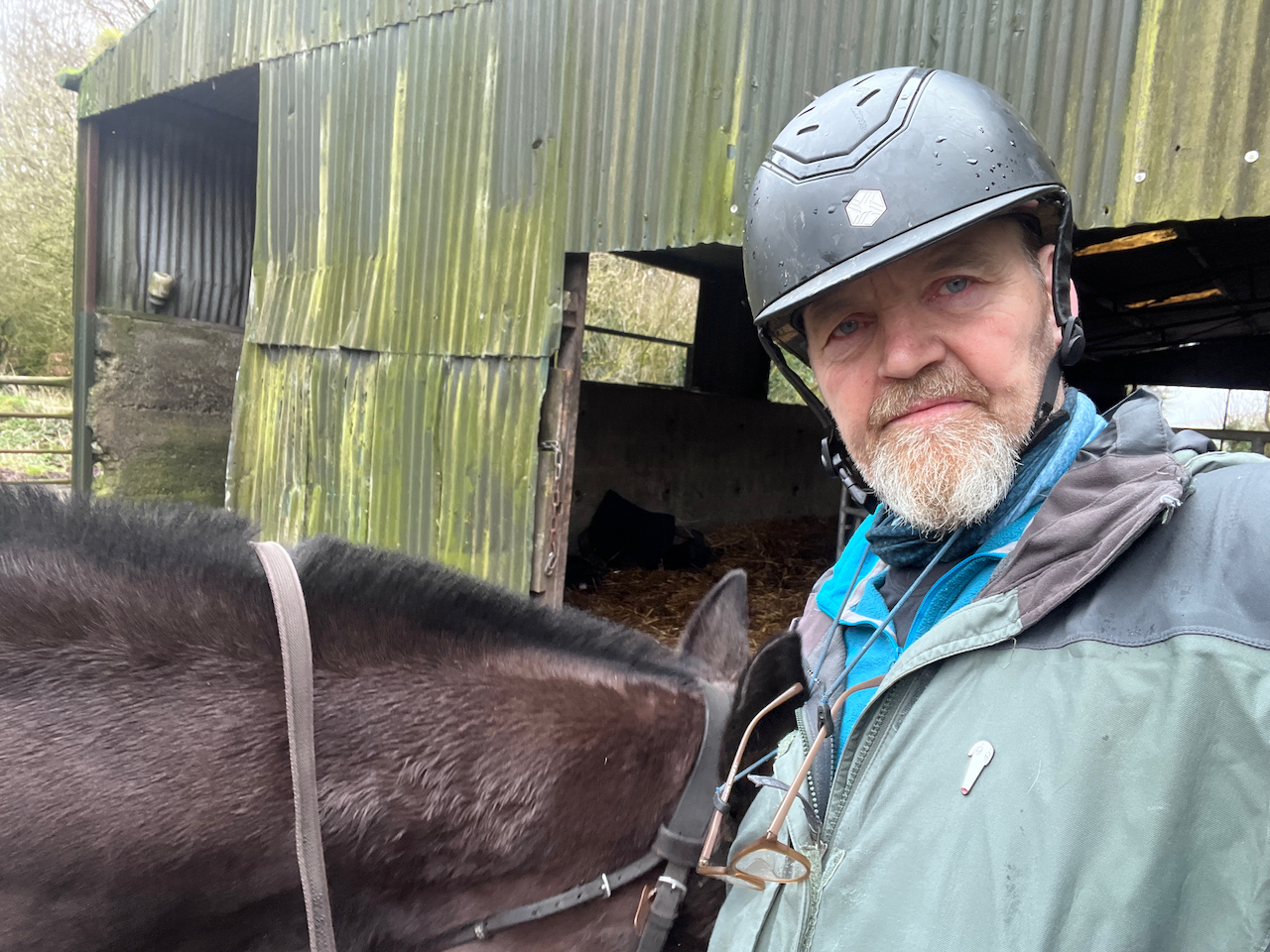
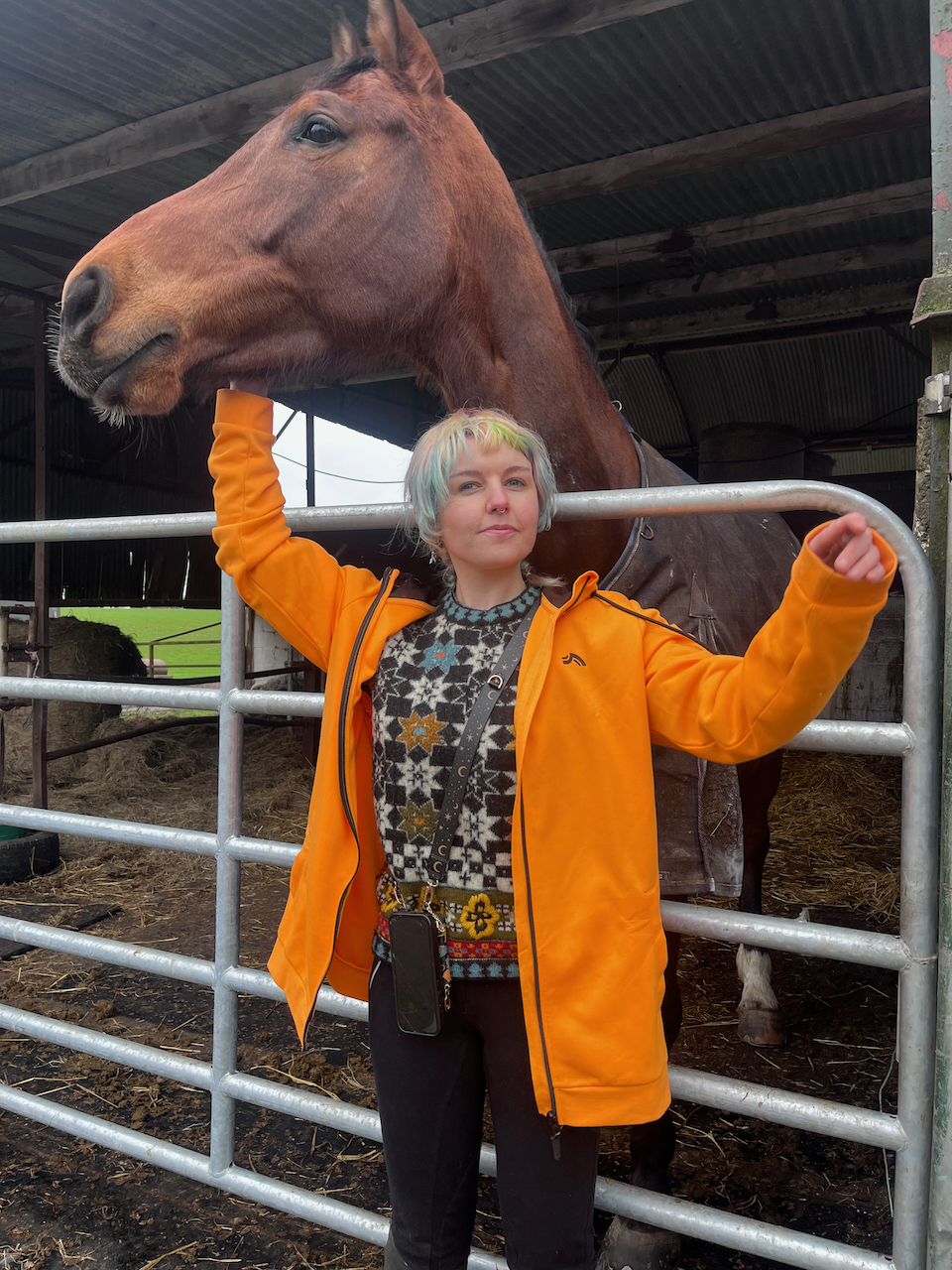
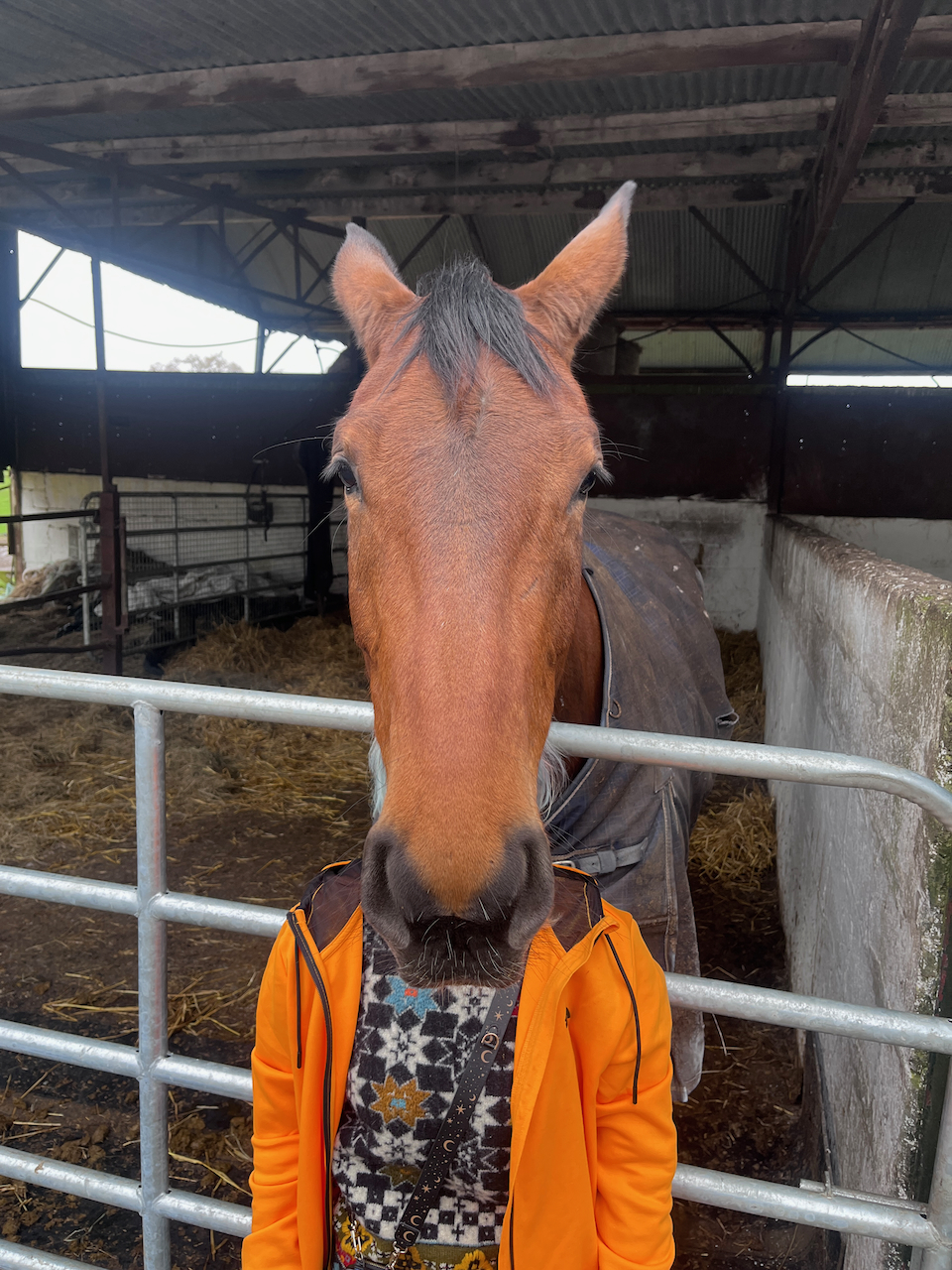
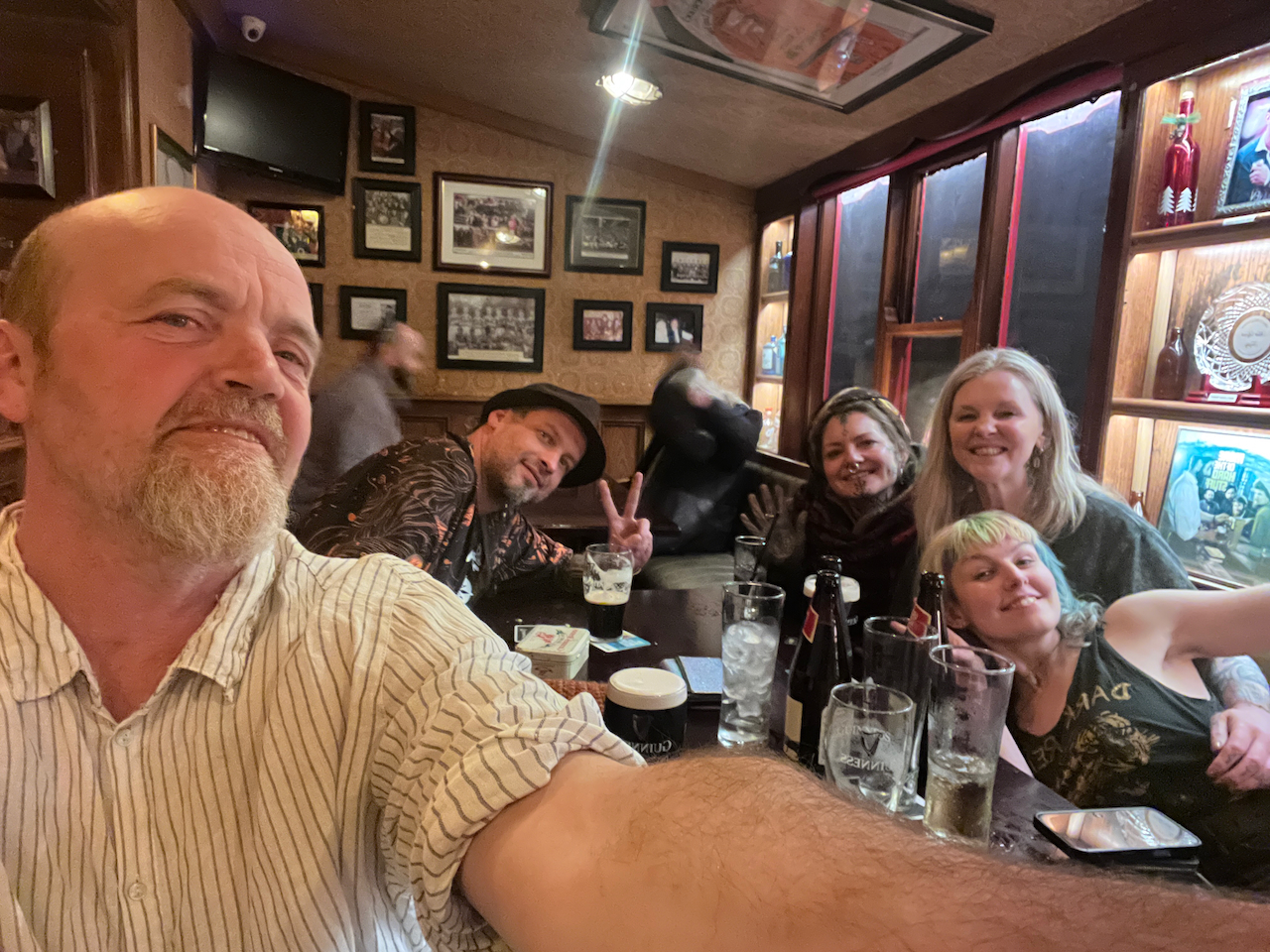
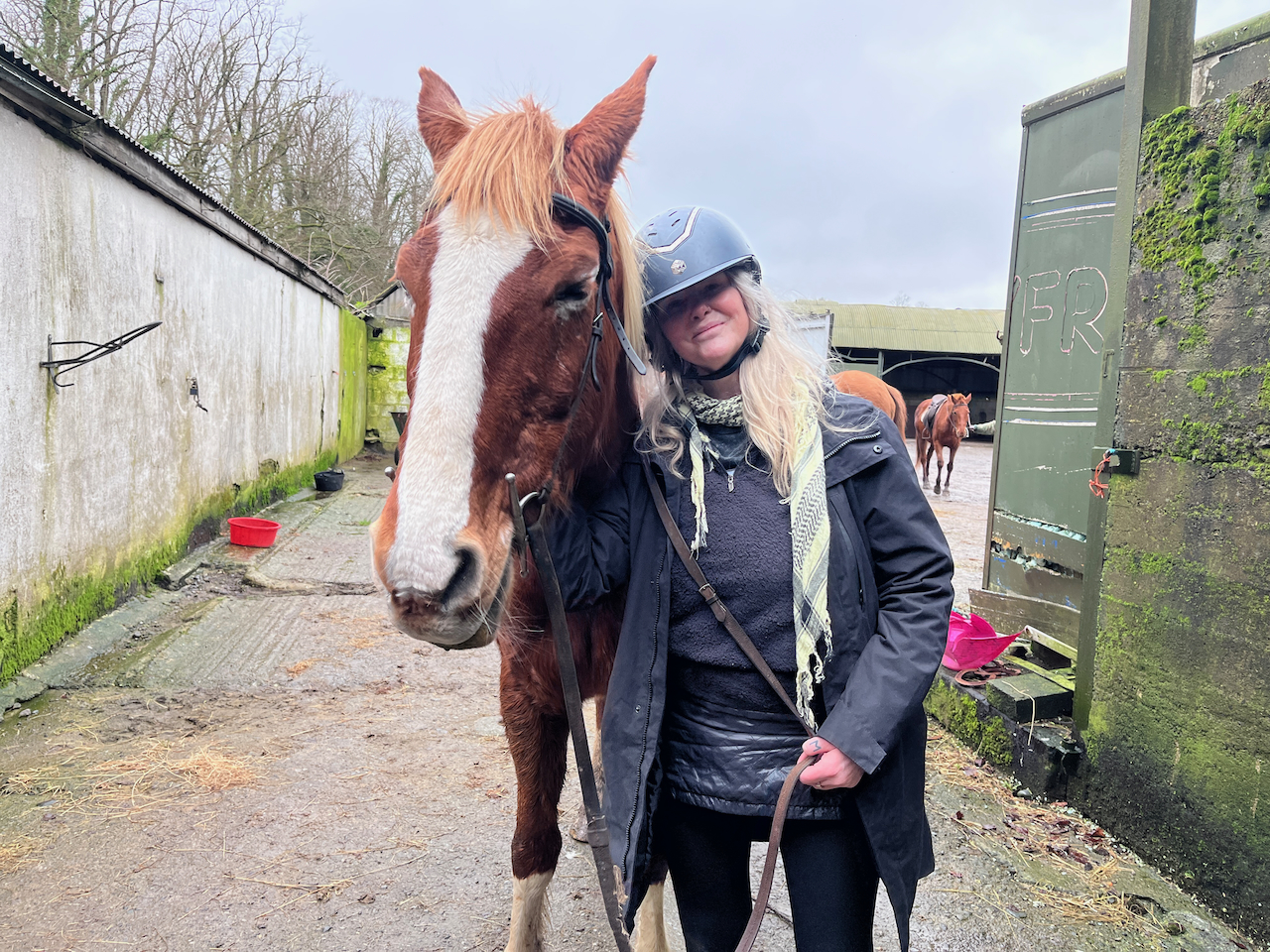
Last weekend, we had a gig, and on Sunday morning, something completely new (for me, anyway). Five of us went pony trekking. Not, I might add, an Enid Blyton book. But a great time was had by all. The ponies knew their way around, and were well-behaved. We even had a little wade through the water at the lakeside below Poulaphouca in Blessington. I’d go again; loved it.
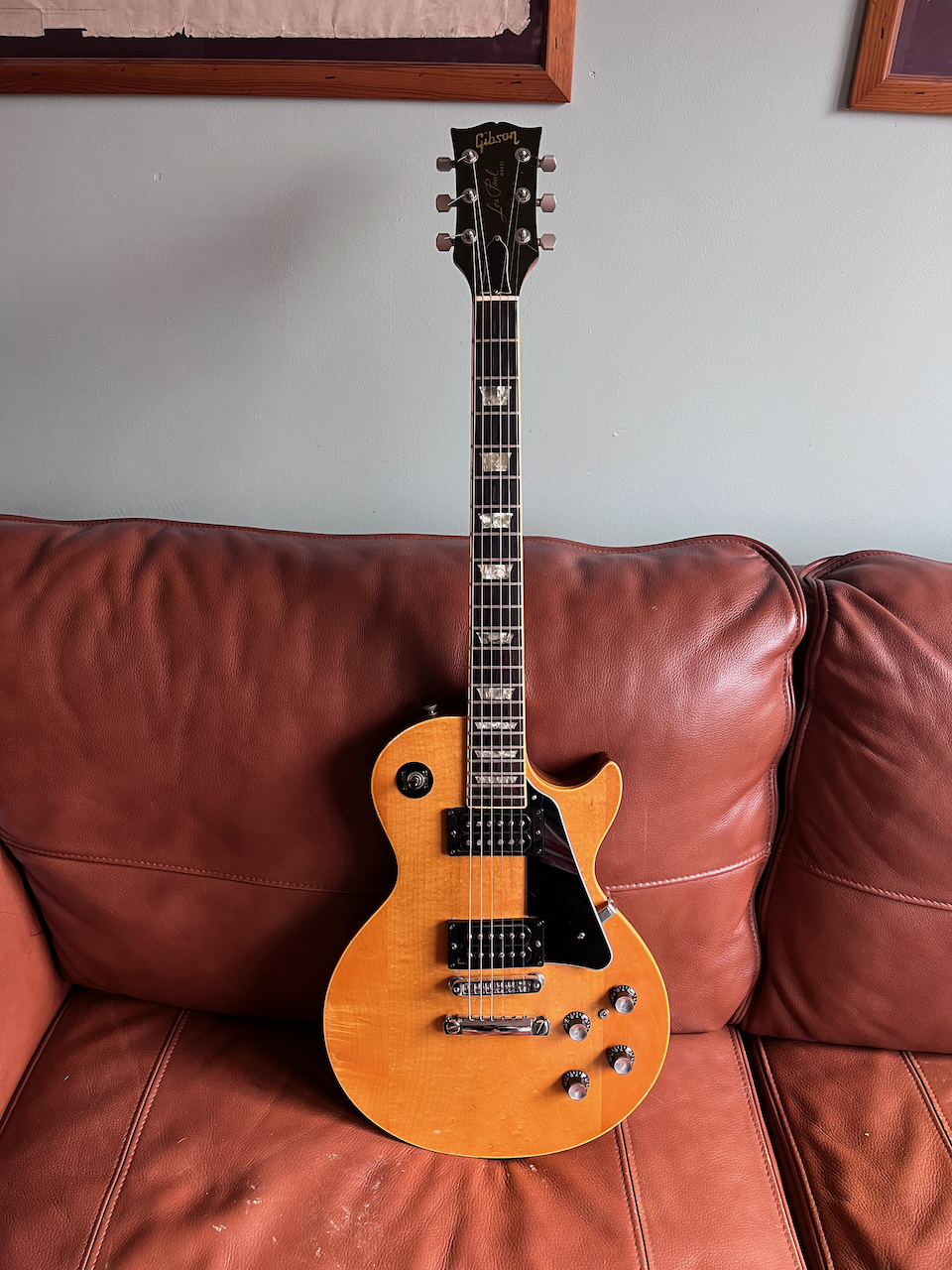
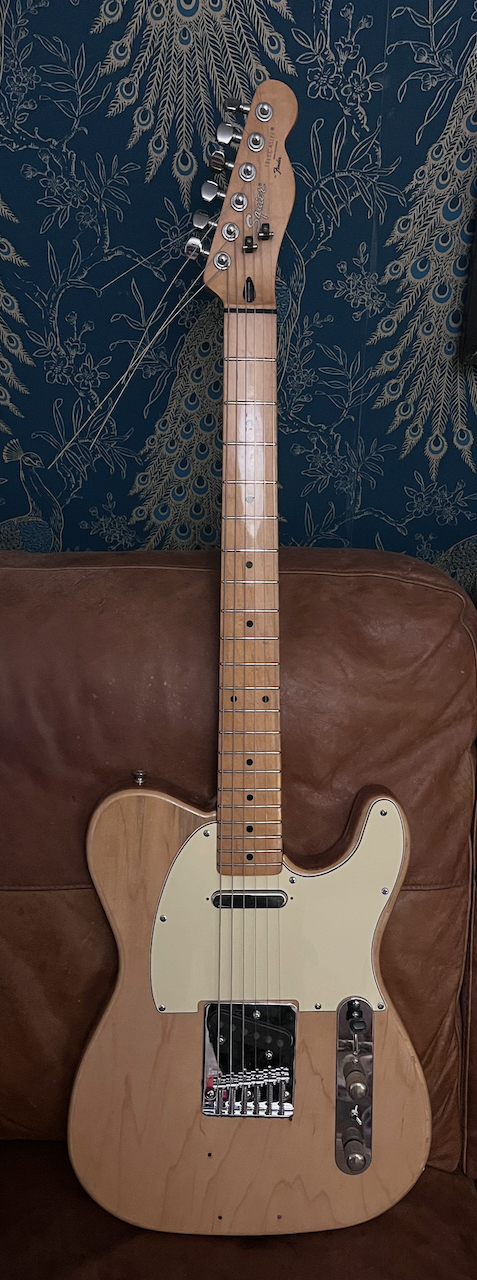
In other news, I finished off a guitar project. Well, the second one of late. The first was a guitar swap I did with Paul, Saoirse’s eldest brother. It’s a 1977 Gibson Les Paul, and it needed a little TLC. New pots and knobs which required some soldering, and new pickguard and a few other bits and bobs. The Telecaster is a late-eighties model, and came to me black with a plain white scratchplate. Along with removing the Bigsby trem I had fitted several years ago and a return to the more traditional style, I had a grá to change the colour. As I sanded, the wood appeared, so curiosity got the better of me and I kept going. Typically, Fender made their guitar bodies out of several blocks of wood glued together as they were usually spray painted and varnished. So I was expecting to see the join as I moved across the surface. But it never appeared. It turns out I had quite the rarity all along; a one-piece body. Needless to say, I did not paint this guitar, but opted for a Danish Oil finish instead, matched with an off-white, three-ply pickguard.

 unironedman
Great pictures – but overshadowed by the thought that we won’t lose to France.
LikeLiked by 1 person
Love it!
LikeLike
What a fabulous trek! Also fabulous job on the guitar. The shape is electric, but the exquisitely finished one-piece body rivals the beauty of the best Spanish classical guitars.
Finally – fabulous article. I had an social-anthropology TA back in the day who’d done his field work with the Tarahumara/Rarámuri people. Having seen his research, I must pooh-pooh those who pooh-pooh the “born-to-run” origins of the human species.
LikeLiked by 1 person
I’m glad you like the guitar. Even more pleased you concur with Dr Kenny on the ‘born to run’ hypothesis 😎
LikeLike
Most of my runs feel ‘moderato’ at the moment!
LikeLiked by 1 person
Everything in moderation 😎
LikeLike